



By Abdul-Hakim Shabazz
So there I was, back in the Empire, trying to decompress in classic Abdul fashion, when the phone rang.
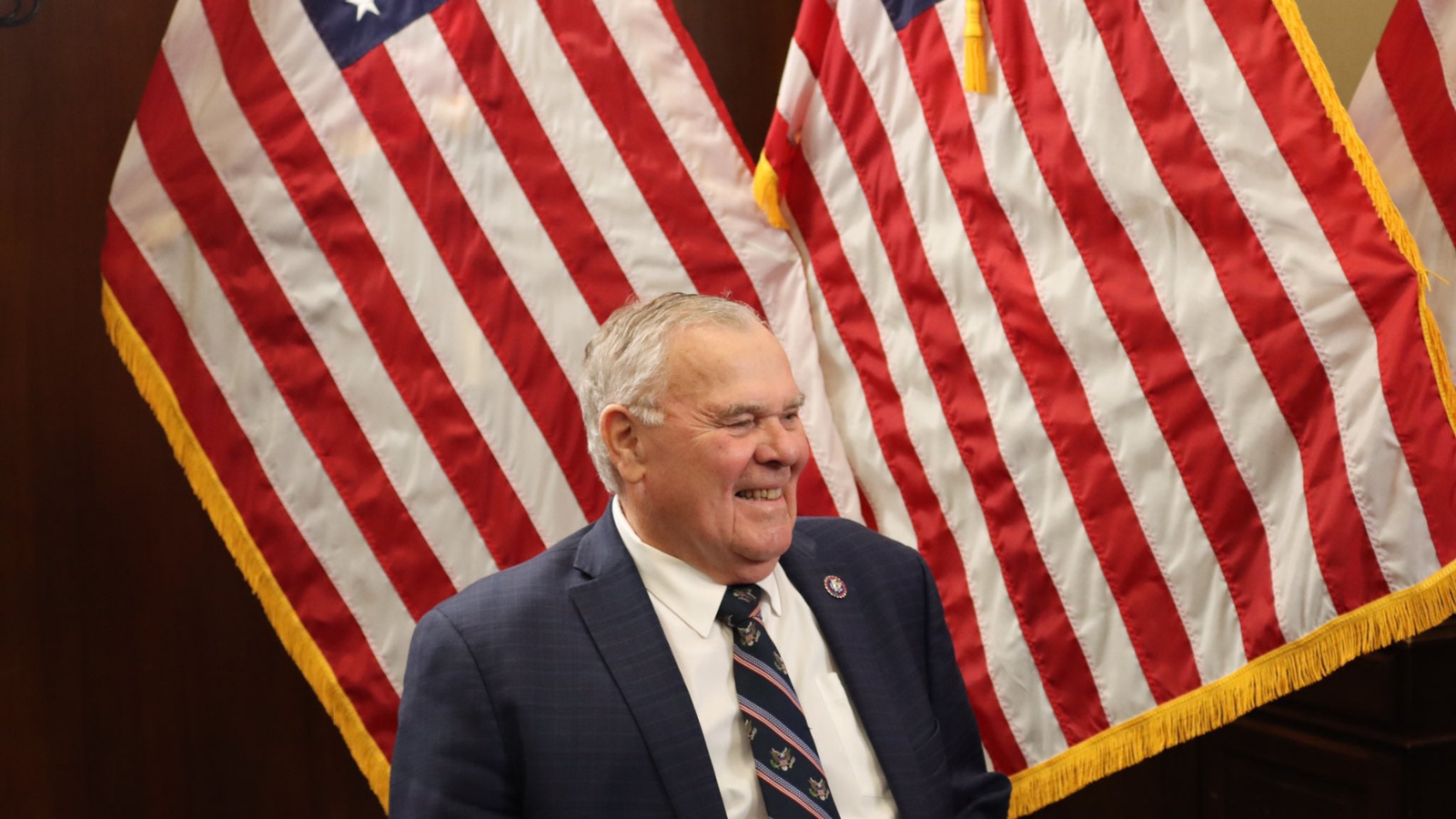
It was a source letting us know that a complaint has been filed involving Congressman Jim Baird and a handful of “office” billboards that were still visible near the start of the 60-day blackout period for official congressional communications, which began around March 5. The accusation wass simple: those billboards prove Baird violated the federal franking rules.
The reality, however, is a little more complicated than what you can read off the side of a highway. Because when it comes to this campaign season, let me be frank. And when I say “frank,” I mean the federal franking rules—not a sudden burst of emotional honesty from politicians.
The federal franking rule exists for a good reason. Members of Congress are allowed to communicate with their constituents using official office funds—what used to be known primarily as “franked mail.” Think newsletters, informational mailers, and other communications explaining what a member is doing in Washington. But within 60 days of an election in which the member is a candidate, those mass communications using official resources are prohibited. The goal is straightforward: taxpayer-funded communications shouldn’t morph into campaign advertising right before voters head to the polls.
Fair enough.
Where things get messy is when people start assuming billboards or mailers work like a digital ad or a radio spot that can be switched off with the precision of a stopwatch. That’s not how billboards work. According to a source familiar with the situation, the billboards in question were contracted and invoiced to run during a period that ended before the blackout window began. In other words, the congressional office paid for the advertising outside the restricted period. Once the blackout arrived, the office wasn’t paying for billboard space anymore.
At that point, the argument goes, control shifts to the outdoor advertising company.
Billboard companies sell advertising space in blocks of time. When the contract period ends, the company schedules a crew to replace or remove the sign. But billboard companies are in the business of selling ads, not maintaining blank rectangles along the interstate. If they don’t have a new advertiser lined up for that space, the existing sign may stay up for a little while until the next scheduled change. It’s not unusual. In fact, it happens all the time. They’ll get to it when they get to it. Anyone who pays attention to roadside advertising has seen it. Concert promotions for shows that happened two weeks ago. Restaurant specials that expired last month. Sometimes even political ads for candidates who are long gone from the ballot.
That’s simply the nature of the outdoor advertising industry.
The key legal question here under the franking rules isn’t whether a driver passing by I-65 happened to see a billboard during the blackout window. The question is whether the congressional office paid for or directed a mass communication using official funds during that period. If the contract and billing ended before the blackout began—as sources say they did—then the office’s financial involvement stopped before the restricted window opened. After that, the billboard company decides when the artwork comes down and what goes up next.
If a formal complaint has been filed, that question will ultimately be up to congressional ethics officials to evaluate. But the mere presence of a billboard during the blackout window does not automatically answer the legal question by itself. None of this will stop the political chatter, of course. Campaign season has a way of turning routine administrative questions into supposed scandals. That’s practically a cottage industry in modern politics. But when you strip away the rhetoric, the billboard controversy looks less like wrongdoing and more like a collision between the federal ethics rules and the practical realities of the outdoor advertising business.
Now if you’ll excuse me, I’m off to go watch Three Billboards Outside Ebbing, Missouri.
Abdul-Hakim Shabazz is the editor of Indy Politics. He is also an attorney, licensed in Indiana and Illinois.