









New records add detail to a developing e-poll book issue first reported by Indy Politics as early voting approaches.
If this story sounds familiar, it should.
In recent weeks, Indy Politics has reported on a potential statewide issue involving Indiana’s electronic poll books, including concerns tied to a new voter residency verification requirement and what appeared to be system glitches affecting how voters could be processed. Now, newly obtained internal records from the Indiana Election Division provide additional detail—and raise new questions—about how state officials handled those issues in the run-up to the 2026 primary.
The documents, obtained through a public records request, show that state officials and vendors had been working on updates to the “proof of residency” component of the e-poll book system since at least September 2025. By December, those changes had been incorporated into system builds and release updates, suggesting the feature was part of an ongoing development and implementation process.
Things appear to have escalated in mid-February.
Between February 17 and February 20, internal records reflect a series of communications referencing a “Proof of Residency” issue. The issue was not confined to a single report or isolated incident. Instead, the documents show multiple entries, responses, and follow-ups over several days—indicating the matter was being actively tracked and addressed in real time as counties prepared for early voting.
One internal communication references a “Temporary Solution for the 2026 Primary Election,” suggesting that officials are using an interim workaround rather than a permanent fix roughly six to eight weeks before early voting for the May primary begins.
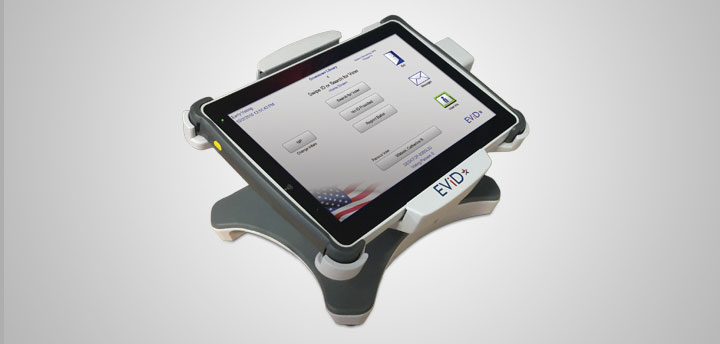
Electronic poll books are used across Indiana to check in voters and verify eligibility. The “proof of residency” function is part of that process and may influence how voters are identified and processed at polling locations. Depending on how the system handles that information, it could affect whether a voter proceeds through the check-in process normally or requires additional steps.
The records also show coordination between state officials and vendors, internal “core team” updates, and training sessions scheduled in early March—suggesting that whatever the issue was, it required both technical adjustments and operational guidance for those using the system.
Some of the materials provided were redacted, particularly those involving detailed system specifications and developer guidance. While such redactions are not unusual given security concerns around election infrastructure, they leave unanswered questions about the precise nature of the issue and how the temporary solution operates.
Taken together, the earlier reporting and the newly released documents suggest the issue was not isolated, but part of a broader set of challenges involving system updates, implementation, and real-time troubleshooting in the weeks leading up to the primary.
To be clear, the documents reviewed do not indicate that voters were turned away or that the issue resulted in widespread system failures. Indiana has generally maintained a reputation for administering orderly elections, and nothing in the records reviewed so far suggests a systemic breakdown.
However, the timing of the issue—occurring just six to eight weeks before early voting begins—raises questions about how the situation was managed and what steps, if any, were taken to ensure consistent application across counties.
Indy Politics has requested additional information from the Indiana Election Division regarding the cause of the issue, the scope of the temporary solution, and whether any further updates or fixes are planned before voting begins.
For now, what is clear is that state officials are using a temporary fix in the weeks before early voting—an issue significant enough to require a workaround rather than a permanent resolution. What remains unclear is whether that solution fully resolves the problem, or simply ensures the system functions in the short term as voters begin heading to the polls.
We will keep you posted.