








by Mackenzi Klemann and Niki Kelly, Indiana Capital Chronicle
April 8, 2026
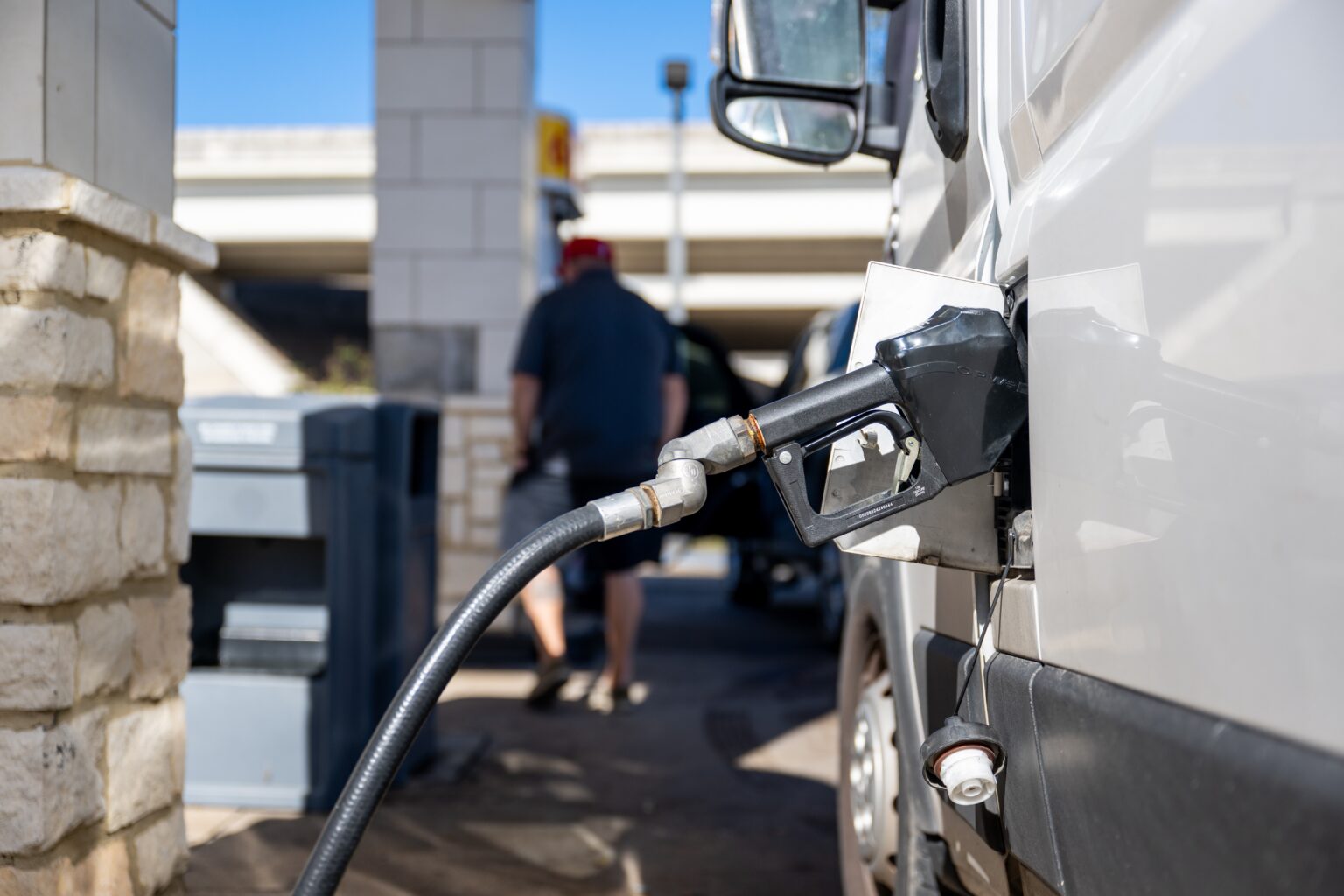
Gov. Mike Braun issued an executive order Wednesday to enact a 30-day suspension of the 7% sales tax on gasoline — with the potential for extensions.
“I am declaring a gas tax holiday to give Hoosiers relief from the pain at the pump from high gas prices,” Braun said in a news release. “Affordability is my top priority.”
The order is in effect now through May 8. Braun called on retailers to pass savings directly to customers, noting the state will be monitoring prices to make sure.
Taxes on fuel in Indiana are made up of the federal gas tax of 18.4 cents per gallon, the state excise tax of 36 cents per gallon and the 7% state sales tax.
The current average cost for a gallon of gas in Indiana, according to AAA, is $4.14 — of which about 17 cents is attributable to the sales tax.
Braun estimated savings for Hoosiers could reach $50 million a month. He will revisit the emergency declaration in 30 days.
Attorney General Todd Rokita also announced that his office will actively monitor fuel prices across the state and enforce price gouging protections.
“Hoosiers deserve the full relief intended by this emergency measure and we will use every tool at our disposal to ensure that the removal of the tax translates into lower prices at the pump — and that consumers are not taken advantage of during this time,” Rokita said in a news release. “If a consumer suspects that a gas station in Indiana is still charging tax during the suspension, they should file a consumer complaint with our office.”
History of suspending gasoline sales tax
In 2000, then-Gov. Frank O’Bannon suspended the sales tax on gasoline for two 60-day periods heading into an election. It saved motorists more than $46 million.
At that time, gas was nearing $2 a gallon; the savings were between 8 and 10 cents per gallon.
O’Bannon cited a 1981 statute allowing him to declare an energy emergency if “an existing or projected shortfall of at least eight percent (8%) of motor fuel or of other energy sources that threatens to seriously disrupt or diminish energy supplies to the extent that life, health, or property may be jeopardized.”
The law doesn’t specifically mention fuel taxes, but it allows the governor to “suspend the provisions of any state statute regulating transportation or the orders or rules of any state agency if strict compliance with any of the provisions would prevent, hinder, or delay necessary action in coping with the energy emergency.”
Authority unclear
But in 2007, then-Gov. Mitch Daniels asked the Attorney General’s Office whether he had the authority to suspend the sales tax on gas.
The letter, signed by then Chief Deputy Attorney General Gregory Zoeller, said it was “clear that a suspension of a sales tax is not among those powers enumerated by this statute nor does it fall with the same category of those within the 1981 act.”
“Without further legislative action granting the governor the authority to suspend the gas tax, we agree that this authority is not within the intent of the 1981 statute,” the letter continued.
A message to Rokita’s office seeking clarity on authority wasn’t immediately returned. All AG opinions are non-binding.
“The emergency was created by conditions outside our control,” he said, “and that was done in D.C. — not particularly on fuel, but in many of those years it was way above $4. We’ve been carrying that burden for a long time.”
The executive order said the ongoing war with Iran “has threatened the global supply of oil,” with 20% to 25% of the world’s crude oil production shipped through the Strait of Hormuz. Iranian officials have blocked the strait in recent weeks.
When asked about the 8% shortage requirement, the governor’s office cited the executive order.
Braun praised President Donald Trump for negotiating a two-week ceasefire with Iran, which he said should lead to lower fuel prices over time.
“This is big news,” Braun said. “You can already see it in the markets. We’ll begin to see that peace dividend over time, and there’s now clarity in terms of what they’re doing.”
Legislative reaction
Half a dozen Senate Republicans released statements supporting the move, including the chamber’s leader.
“Senate Republicans have led on issues of affordability for years, resulting in one of the lowest costs of living in the country for Hoosiers, but the recent spike in gas prices is still leaving many Hoosiers feeling undue pressure on their budgets,” said Senate President Pro Tempore Rodric Bray, R-Martinsville. “With affordability top of mind right now, I’m supportive of temporarily suspending the state’s sales tax on gas.”
Many of those in support are facing primary challenges and have been attacked for earlier votes to raise the gas tax.
Markle Republican Sen. Travis Holdman, who is locked in a tough reelection race, called on Braun to suspend the gas tax moments before he did so.
“Despite everything we have done at the Statehouse to maintain our state’s low cost of living, the current price of gas is adding too much pressure on Hoosiers and their wallets,” Holdman said. “Today, along with some of my colleagues, I am calling on Gov. Braun to provide relief at the pump for Hoosiers by using his legal authority to suspend the state’s tax on gas.”
House Democrats backed the suspension on Wednesday but questioned the timing.
House Minority Leader Phil GiaQuinta, D-Fort Wayne, noted the caucus repeatedly called for a suspension back in 2022, when gas prices jumped amid Russia’s invasion of Ukraine.
“I want to be clear: House Democrats support this suspension, but Gov. Braun and Statehouse Republicans are only cleaning up a mess that they helped create,” GiaQuinta said in a Wednesday news release. “Hoosiers are tired of unstrategic and unfocused foreign wars that cost American lives, drive up gas prices and raise the cost of living.”