


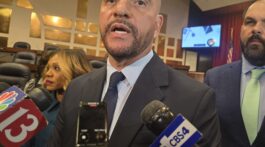



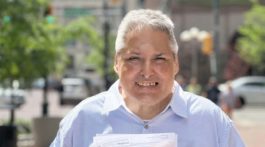


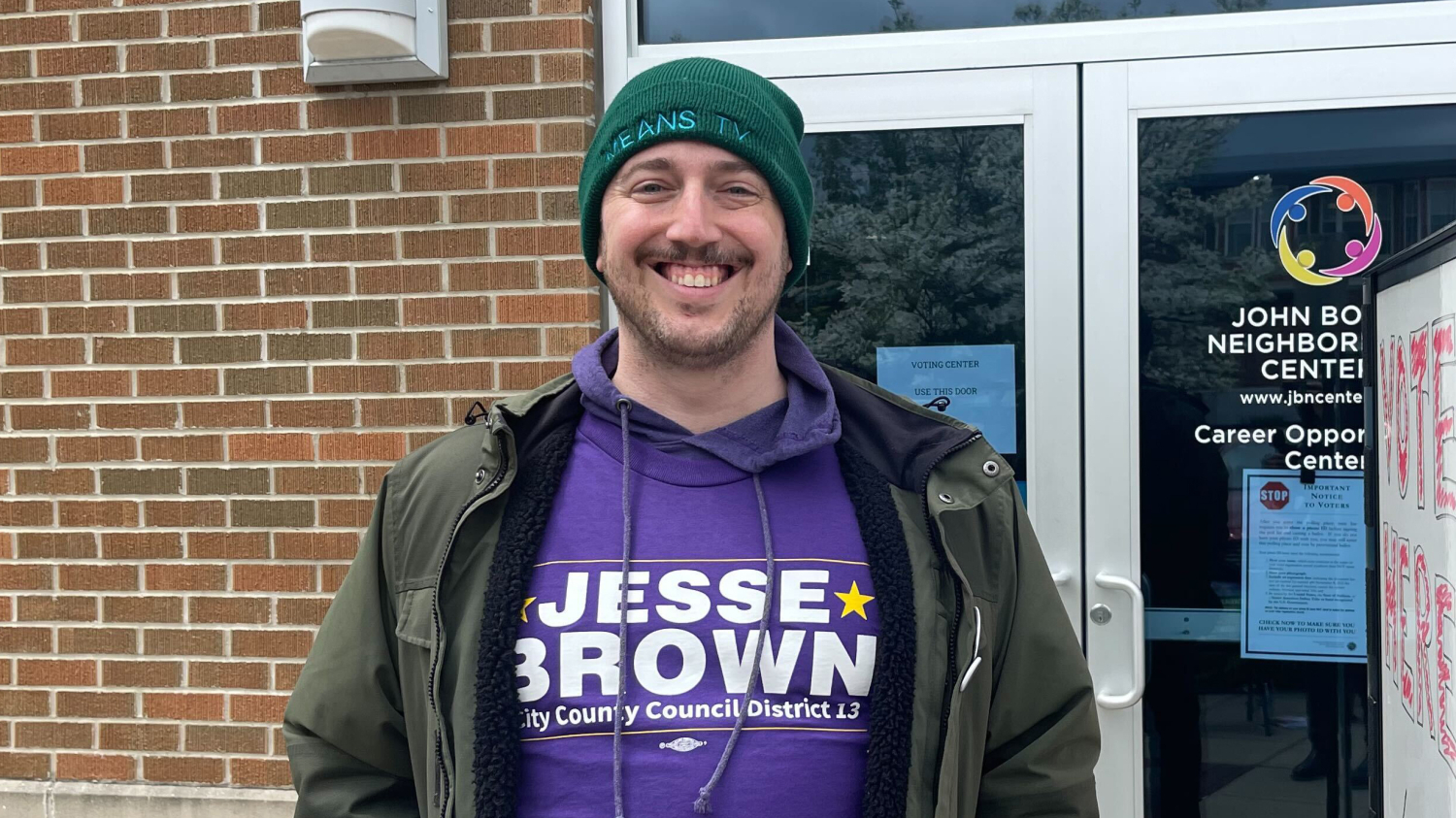
First it was former Indianapolis mayor Greg Ballard launching an independent bid for Indiana Secretary of State. Now Indianapolis City-County Councilor Jesse Brown is raising the possibility of creating a new political party aimed at giving working-class voters another option.
Ballard’s independent bid has already generated attention in political circles. Early polling suggests he could be a factor in the race, particularly among voters frustrated with the traditional Republican and Democratic choices.
Now Brown appears to be tapping into that same vein of political dissatisfaction.
In an email to supporters Monday, Brown suggested that many working-class Hoosiers feel increasingly disconnected from both major parties and argued that the current political structure is not adequately representing their interests.
“We need more options for the working class,” Brown wrote, pointing to issues such as wages, labor rights, housing affordability, and economic opportunity as reasons to rethink the current political landscape.
Brown stopped short of formally announcing the creation of a new political party. Instead, the email reads more like a trial balloon — testing the waters to see whether voters, activists, and potential candidates might be open to the idea.
However, there are already signs that some organizing may be underway.
A website associated with the effort, socialistpartyin.com, outlines a provisional platform and lists several candidates, including Ben Davis for House District 13, Tanya Pearson for Senate District 26, and Harrison Jacobo for Secretary of State.
The site lays out a platform focused on working-class issues, suggesting the effort may be further along than Brown’s exploratory email alone might indicate.
The effort also appears to intersect with local democratic socialist organizing. Robert Hughes, who said he served for more than five years as chair of the Central Indiana chapter of the Democratic Socialists of America, noted his past leadership role in the group in connection with Brown’s political orbit.
Still, the broader conversation about alternatives to the traditional two-party system is not entirely new in Indiana politics.
Ballard’s independent Secretary of State bid reflects a similar frustration among some voters and political figures who believe the Republican and Democratic party structures no longer fully capture the state’s political landscape. Independent candidates and third-party movements have periodically surfaced in Indiana politics, though sustaining them beyond a single election cycle has historically proven difficult.
Brown’s message taps directly into that sentiment.
In his email, he argued that working-class voters often find themselves stuck between two parties that he says are increasingly influenced by large donors and institutional interests. A new political organization, he suggested, could organize voters around economic concerns that cut across traditional partisan lines.
Brown’s comments also come at a time when Indiana politics has grown increasingly contentious, with debates over labor policy, public safety, development incentives, and housing affordability regularly dominating the political conversation in Indianapolis and around the state.