









It wasn’t just Secretary of State Diego Morales on the agenda at Friday’s meeting of the Marion County Election Board.
An electronic poll book issue first reported by Indy Politics last month resurfaced during the meeting, raising concerns among local officials about a potential statewide problem tied to a new voter residency verification law.
According to documents and information reviewed by Indy Politics, the issue stems from how the Statewide Voter Registration System (SVRS) interacts with county e-poll book vendors when handling new residency verification flags required under a 2024 state law. The law applies to certain voter registrations submitted while obtaining a gun permit at a police department, through the Department of Family Services, or via third-party voter registration drives. Lawmakers required those registrations to undergo additional verification to confirm the voter resides at the address listed.
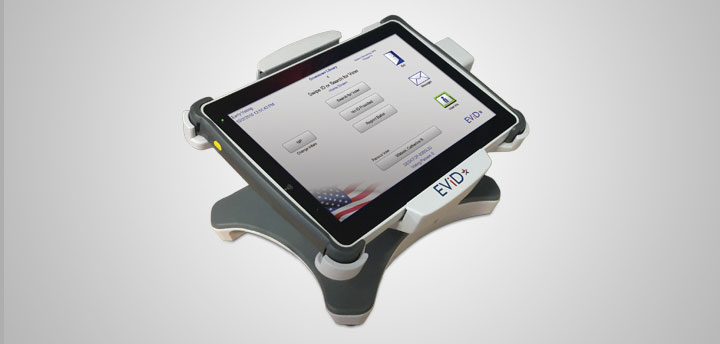
Under the law and associated procedures, if a voter whose registration still requires residency verification appears at the polls, the electronic poll book is designed to flag the voter’s record so poll workers can take additional steps before issuing a ballot. Election sources say that in some instances when that verification flag appears, certain e-poll book systems can freeze or lock up when the voter record is accessed. If unresolved, the issue could affect the basic voter check-in process at polling locations.
The matter was discussed during this week’s meeting of the Marion County Election Board, which operates vote centers and relies heavily on electronic poll books to process voters. During the discussion, board members asked whether the county might have to revert to paper poll books if the problem is not resolved. Election staff told the board their “best understanding” was that “the way these poll books functioned in 2024 is the way they will be functioning in 2026,” and said they were expecting an update from state officials by the end of the week.
Officials also said they had been told new code requirements related to the residency verification feature had been “rolled back” from the system. However, they had not yet received confirmation that the rollback had actually occurred or that it had been fully tested. Staff described the issue as involving “flags” or alerts that appear when a voter’s record is opened in the poll book. They said the state planned to provide vendors with “supplemental data” identifying which voters should receive those alerts.
“These things have to be developed by software developers. They have to be deployed to the environment, and they have to be tested,” one staff member told the board, noting that Marion County had not yet been able to test the changes locally.
Officials added that counties using vote centers and electronic poll books would likely require the same rollback or adjustment “for the poll books to function properly,” describing the issue as potentially statewide. Board members also raised legal questions about how the state could remove or suspend a feature that appears to be required under Indiana law. Staff declined to address the legal implications, focusing instead on the technical and data adjustments.
According to election insiders, the issue was first identified by Baker Tilly, an outside firm involved in election system support, rather than by internal staff within the Secretary of State’s office. Technical personnel have reportedly been working on the matter for more than a week. Some insiders say they have expressed frustration with what they characterize as slow response times and limited in-house technical expertise. Meanwhile, Angie Nussmeyer, Democratic co-director of the Indiana Election Division, has been preparing to notify clerks and local election officials statewide and urging contingency planning in case the issue is not fully resolved before voting begins.
Indy Politics has filed an Access to Public Records Act request with the Secretary of State’s office seeking communications, vendor correspondence, technical reports, and internal discussions related to the residency verification flag and e-poll book performance.