









The 2026 session of the Indiana General Assembly is over, and if you listened carefully during the closing press conferences, you heard one word over and over again: affordability.
Republicans said they delivered it. Democrats said it wasn’t enough. Both sides claimed momentum. As usual, the truth depends on where you’re standing.
Let’s start with the people running the place.
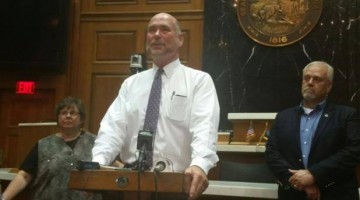
House Speaker Todd Huston framed the session as a focused, disciplined effort to lower costs for Hoosiers. Housing reform. Utility oversight. Government streamlining. Tax cuts. In his telling, this wasn’t scattershot policymaking. It was intentional.
Housing policy under House Bill 1001 aimed to increase supply. The theory is straightforward: build more, ease pressure, bring prices down. Utility reform under House Bill 1002 targeted performance-based ratemaking and greater transparency for ratepayers. Republicans argue that modernizing regulation now prevents runaway costs later.
Then there are the tax cuts. Senate President Pro Tem Rod Bray emphasized that Indiana has passed more than 20 tax cuts in the past decade, with roughly $235 million in additional relief this session. Overtime pay. Tips. Car loan interest. Add that to previously scheduled reductions that took effect January 1, and Republicans say they are steadily reducing the tax burden without jeopardizing fiscal stability.
Bray also highlighted bail reform and public safety provisions that give judges clearer authority to detain individuals deemed dangerous while maintaining due process. From his perspective, affordability and safety aren’t separate conversations. They’re connected to economic confidence.
And then there’s Senate Bill 27.
The Chicago Bears stadium proposal and the $250 million infrastructure component gave the session its late-breaking drama. Republicans insist the Budget Committee oversight language was about fiscal guardrails, not political signaling. The message from leadership was consistent: Indiana is willing to compete for economic development, but not blindly.
Whether the Bears ultimately choose Indiana is another story. But lawmakers made it clear they wanted to position the state as serious, structured, and fiscally cautious.
On youth safety, the Haley Busby tragedy shaped the debate over social media restrictions. House Bill 1408 passed, placing new limitations on minors’ online activity. Leaders acknowledged the likelihood of legal challenges but framed the legislation as a necessary first step in an evolving policy space.
One major piece of unfinished business was hemp regulation. Senate Bill 250 stalled, something Bray openly described as his biggest disappointment of the session.
That’s the Republican case: tax relief, structural reform, public safety, and economic positioning.
Democrats see the same session differently.
Senate Minority Leader Shelli Yoder organized her closing argument around four pillars: housing, utilities, childcare, and healthcare. In her view, affordability isn’t a macroeconomic concept. It’s the monthly bills sitting on a kitchen table.
On healthcare, Democrats criticized Medicaid and SNAP reductions, arguing the cuts go further than federal requirements and will ultimately shift costs elsewhere in the system. If people lose access to preventative care, they argue, those costs don’t disappear. They show up later — and usually more expensively.
Medical debt reform was another frustration. A broader proposal failed to advance, and while a narrower measure passed, Democrats say it fell short of meaningful relief.
On housing and utilities, they acknowledged incremental progress but questioned whether the final bills were robust enough to make a measurable dent in costs.
Childcare remains a sore point. Lawmakers expanded access to a funding mechanism that may be used for vouchers, but Democrats focused on the discretionary language. “May” is not “shall.” For providers already on thin margins and families facing waitlists, uncertainty feels like instability.
House Minority Leader Phil GiaQuinta described the session as a series of singles rather than home runs. He credited Democrats with blocking mid-decade redistricting — something he called a win for voters — but said the legislature stopped short of transformative solutions.
He was also critical of immigration and homelessness measures that he believes lean toward enforcement without sufficiently addressing root causes.