



By Abdul-Hakim Shabazz, Esq.
If you wanted a clean, tidy summary of Indiana politics this week, forget it.
Because what we actually got was something far more useful—and, to be frank, a lot more fun.
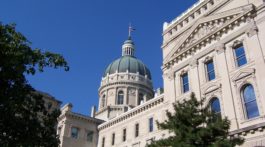
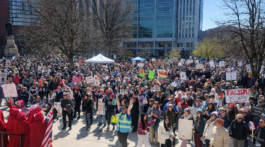
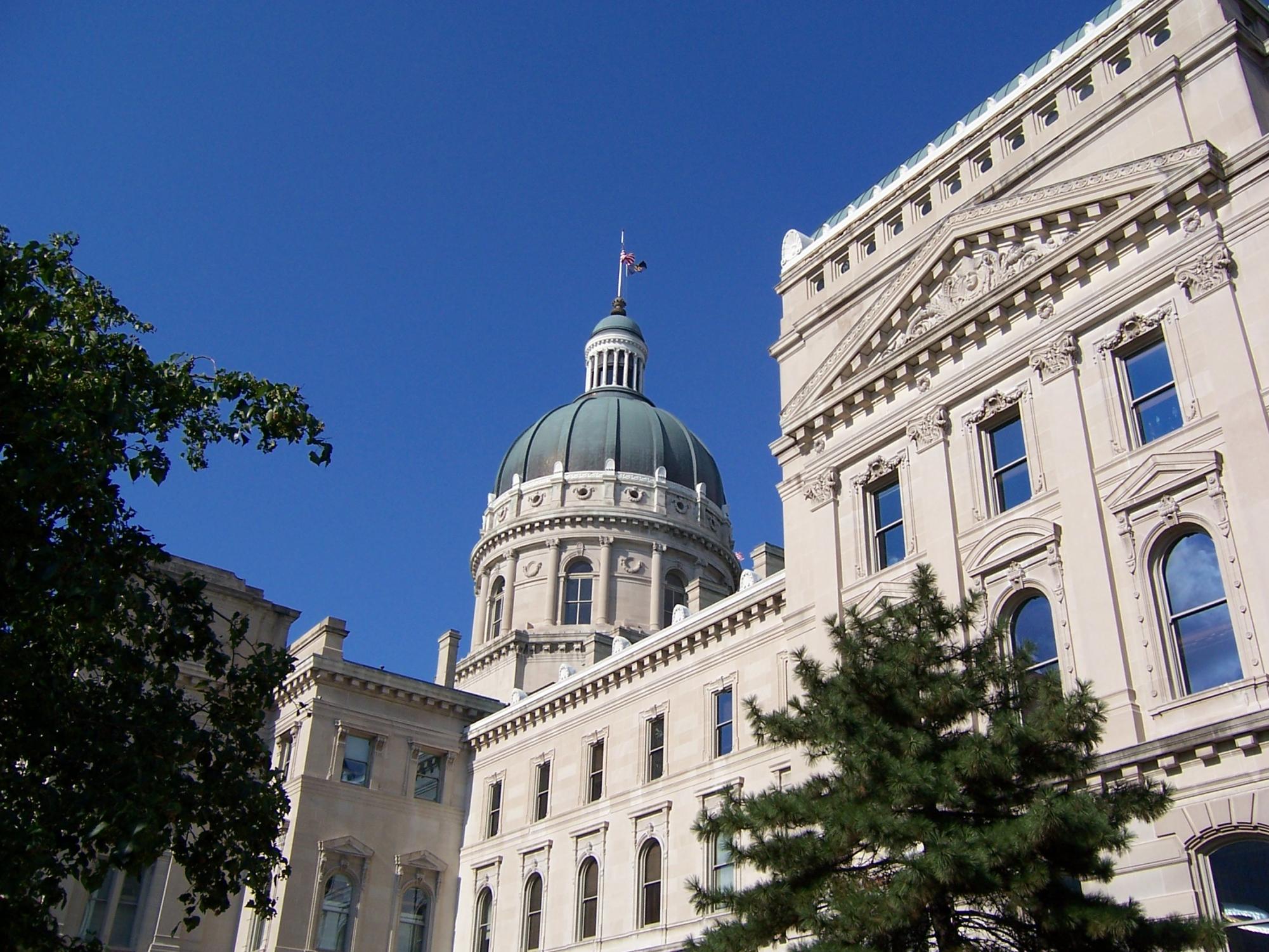
Let’s start with the “No Kings” rally at the Statehouse. Depending on your preferred echo chamber, it was either a bunch of over-caffeinated activists yelling into the void or a five-alarm warning fire for the political establishment. The truth, as usual, is somewhere in between—but probably closer to the second one than some folks would like to admit.
Here’s what I know after doing this for a few decades: you don’t get a few thousand people to show up downtown on a weekend just because someone sent out a group text and promised vibes. Organization helps. Messaging matters. But at the end of the day, people have to care enough to leave the house.
And they did.
Now, were all the signs coherent? No. Were all the messages aligned? Also no. But that’s not the point. The point is energy. And whether you like it or not, there’s some of that building right now.
I’ve seen this movie before. Property tax protests in 2006–2007. The Tea Party in 2010. Starts small, gets mocked, becomes a punchline… right up until it isn’t. And yet, some folks are still out here doing math on social media like this is a participation trophy contest. “Well, that’s only 0.18% of the population!” Congratulations—you’ve discovered how movements begin. They don’t start at 51%. If they did, we’d call them majorities.
Ignore it if you want. History suggests that’s usually a mistake.
Now, while one side was out protesting, the more interesting story this week was unfolding a little further under the radar—and it had nothing to do with slogans and everything to do with credibility.
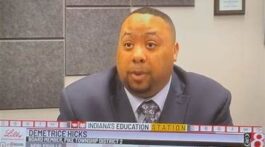
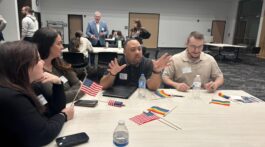
Let’s talk about two candidates for the Indiana State Senate: Demetrius Hicks, a Democrat running in his district, and Richard Bagsby, a Republican running in his. Two different parties. Two very different worldviews. Same underlying issue.
We are constantly told—loudly, repeatedly, and sometimes with dramatic hand gestures—that these are the people who should be trusted to manage taxpayer dollars. The responsible ones. The stewards. The adults in the room. And yet, when you start looking under the hood, you find unpaid debts, court cases, and financial obligations that didn’t quite make it to the top of the priority list.
Now, to be clear—this isn’t ancient history. We’re not talking about the 1990s when I had more hair and fewer reasons to avoid carbs. This is recent. This is current. And yes, voters notice.
Because here’s a radical thought: if you’re asking people to trust you with their money, they’re going to take a look at how you handle your own. Not out of spite—out of common sense.
Let’s also drop the partisan spin before it even starts. This isn’t a Democrat problem or a Republican problem. This is a credibility problem. And yes, before anyone asks—this ties directly into what we talked about earlier this week in our housing column. When people are struggling with affordability, rising costs, and trying to keep a roof over their heads, their tolerance for political hypocrisy drops to about zero. You don’t get to lecture folks about stewardship while your own financial house looks like it’s one bad month away from a sheriff’s sale.
That’s not ideology. That’s credibility.
Which brings us to the next, quieter—but far more important—development: early voting.
In just a few days—April 5—Hoosiers will start casting ballots. And everything we saw this week—the protests, the dismissiveness, the financial questions, the growing frustration—it all walks into that voting booth with them.
Democrats have energy right now. More candidates. More engagement. More people showing up. Republicans still have the structural advantage—no question. Geography, numbers, infrastructure. But there are cracks. Internal tension. Messaging issues. And, in some corners, a tendency to underestimate what’s happening right in front of them.
That’s never a great strategy.
Because elections aren’t won by who had the best clapback on social media. They’re won by who understands the moment they’re in.
And right now, the moment is… unsettled.
Voters are skeptical. They’re frustrated. And increasingly, they’re not in the mood to be talked at—they want to be taken seriously. Which means this election isn’t just about policy. It’s about trust. It’s about credibility. It’s about who voters think actually gets it.
And the thing about democracy—messy, inconvenient, and occasionally annoying as it may be—is that it doesn’t care about your narrative.
It just counts the votes.
So yes, this was a busy week in Indiana politics. A few thousand people in the streets. A few uncomfortable financial questions attached to candidates like Hicks and Bagsby. And a not-so-subtle reminder that the voters are about to have their say. No kings. Just consequences.
Abdul-Hakim Shabazz is the editor and publisher of Indy Politics. He is also an attorney licensed in Indiana and Illinois.