








For a state that has spent decades worrying about teenagers, drugs, and everything that might go wrong between algebra and graduation, Indiana finally has a rare piece of good news: teens are using fewer substances, drinking less, and vaping at lower rates than in recent years.
That’s the takeaway from the 2024 Indiana Youth Survey, one of the state’s longest-running assessments of youth behavior, which collected responses from more than 60,000 students in grades six through 12 at 223 schools statewide. The survey is conducted by Indiana University’s Prevention Insights with support from the Indiana Family and Social Services Administration.
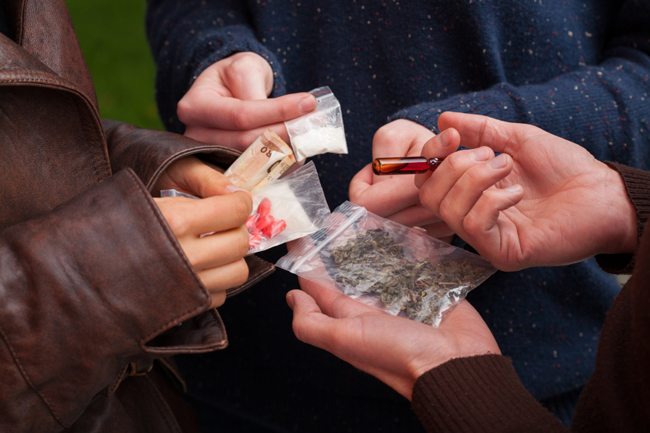
Alcohol remains the most commonly used substance among Indiana youth, but usage rates declined across grade levels. About 4.2 percent of sixth graders and 15.6 percent of 12th graders reported drinking alcohol in the past month. Binge drinking among high school seniors was reported by 5.8 percent of respondents, a drop from 2022.
Vaping, which has driven years of school discipline debates and legislative hearings, continued a sharp decline. About 9.6 percent of 12th graders reported vaping in the past month, down more than 19 percentage points since 2018. Researchers say the trend lines now suggest sustained declines in youth vaping.
Marijuana use also decreased among high school students, with about 9.9 percent of seniors reporting past-month use. Traditional cigarette smoking remains relatively rare, with about 2.5 percent of 12th graders reporting smoking in the past month. Prescription drug misuse and other illicit substances also declined across most grade levels.
But the survey highlights a persistent perception gap. Teens consistently overestimate how much their peers are using drugs and alcohol. For example, seniors believed nearly half of their classmates drank alcohol or used marijuana in the past month—more than triple the actual reported rates. Public health experts say these misperceptions can normalize risky behavior, even when actual usage is declining.
Rural-urban differences remain pronounced. Students in rural counties were more likely to report higher rates of alcohol use, binge drinking, vaping, and tobacco use than students in urban areas, reinforcing concerns about uneven access to prevention programs, mental health services, and public health infrastructure outside Indiana’s metropolitan centers.
The most troubling findings, however, were not about substances.
Roughly one-third of students reported feeling sad or hopeless for at least two consecutive weeks in the past year, a key indicator of depression. More than one in ten high school students reported considering suicide, and a smaller but significant share reported making a plan. Female students reported substantially higher rates of mental health struggles across all indicators.
Public health experts say the findings suggest that while decades of prevention messaging and policy interventions may be paying off on substance use, youth mental health remains a growing challenge that requires sustained investment in school-based counseling, family engagement, and community support systems.
In short, Indiana’s teenagers are making fewer bad choices with substances—but they are still carrying a heavy emotional load.
For policymakers, educators, and parents, the message is clear: celebrate the progress, but don’t confuse sobriety with well-being.