








If it feels like the country is living through a year’s worth of political news every month, you’re not imagining it.
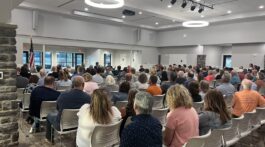
That was the premise offered by Steve Inskeep, longtime NPR journalist and host, during his appearance this week at the Luger Symposium at the University of Indianapolis. Speaking to students, faculty, and community members, Inskeep walked through a political landscape defined by division, overload, and a media ecosystem struggling to keep pace with events that seem to stack up by the hour.
Despite the sense of constant upheaval, Inskeep argued that some of the core rules of American politics remain stubbornly intact. Midterm elections, he noted, still tend to function as referendums on the sitting president. History hasn’t been repealed, even if it occasionally feels like it has been muted by social media algorithms.
With presidential approval numbers lagging and a White House that has recently adjusted both its tone and staffing, Inskeep suggested Republicans may face structural disadvantages heading into the next election cycle. That dynamic, he said, echoes past cycles where political gravity eventually reasserted itself—often regardless of how frantic the news cycle appeared at the time.
Inskeep pointed to recent bipartisan compromises, including efforts to avoid a government shutdown, as examples of pressure forcing recalibration. While those moves shouldn’t be mistaken for ideological shifts, they do reflect an administration responding to political reality rather than Twitter trends.
But the more pressing concern, Inskeep warned, may be the volume of information Americans are now expected to process.
From indictments to document releases to viral claims that blur fact and speculation, today’s media environment rewards speed and outrage over verification. Inskeep cautioned audiences to be deliberate about where they get their news, urging consumers to rely on outlets that still send reporters into the field and are transparent about how information is obtained.
Just as important, he said, is sourcing. Journalists have an obligation to explain where their information comes from and why a source deserves credibility, allowing readers to assess accuracy rather than simply absorbing conclusions. In a moment where anyone can publish instantly, receipts matter more than ever.
That challenge extends to legacy media itself. Inskeep acknowledged that traditional television networks continue to struggle with declining audiences and outdated business models. Public media, including NPR, has performed better by adapting to digital platforms and cultivating loyal audiences across podcasts, streaming, and social media.
Still, public media is not immune to pressure. Local stations rely heavily on listener support, underwriting, and a patchwork of funding sources to stay afloat—particularly amid periodic political threats to federal support. They are surviving, Inskeep said, but long-term sustainability remains an open question.
Inskeep closed with advice aimed squarely at students but applicable well beyond the campus gates: keep learning, stay curious, and resist the temptation to confuse familiarity with understanding. Especially in a state like Indiana, he encouraged young people to see other places, encounter different ideas, and return home with broader perspectives.
In an era defined by volume rather than clarity, Inskeep’s message was almost countercultural: slow down, check your sources, and remember that being loud is not the same thing as being right.