










A fast-moving legal dispute over a Republican primary ballot in western Indiana briefly disrupted absentee voting this week before a special judge stepped in and reversed course.
The case, Gallant v. Indiana Election Commission, centers on a challenge to a candidate’s eligibility in the Indiana Senate District 38 race. After the Indiana Election Commission ruled the candidate could remain on the ballot, the decision was appealed to Clay Circuit Court.
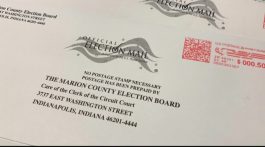
On March 18, Judge David Thomas granted a stay of the Commission’s ruling and ordered election officials in Clay, Vigo and parts of Sullivan counties to halt the mailing of absentee ballots while the case proceeded. The order came just as counties had prepared ballots for distribution ahead of the May primary.
The ruling immediately raised concerns about potential disruptions to the election process.
Shortly after, candidate Alexandra Wilson intervened in the case and requested a change of judge. That request was granted, and a special judge, Charles D. Bridges of Putnam County, was appointed to take over the matter.
Within a day of assuming jurisdiction, Bridges issued a series of orders vacating the earlier stay and allowing absentee ballot distribution to resume. The court found that delaying ballots could conflict with federal requirements governing absentee voting and create administrative complications for local election officials.
Bridges also concluded the court lacked authority to prevent non-parties, such as county clerks and election boards, from carrying out their statutory duties related to administering elections.
While the stay has been lifted, the underlying case remains active. The court denied motions to dismiss and scheduled a hearing for March 24 to review the Indiana Election Commission’s decision.
The dispute highlights the tension courts often face when election-related litigation arises close to voting deadlines. While candidates and parties may seek expedited judicial intervention, courts are generally cautious about issuing orders that could interfere with established election procedures, particularly once absentee voting is underway.
For now, absentee ballots in Senate District 38 are being distributed as scheduled, and the primary election process continues.
The outcome of the March 24 hearing could determine whether any further legal action affects the race, but any such impact would likely occur after voting has already begun.