



Indiana’s usually sleepy primary season could be anything but this year, as early voting gets underway.
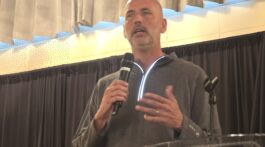
University of Indianapolis political scientist Dr. Laura Wilson tells Indy Politics that Hoosiers are deeply engaged, but that engagement is coming with a darker edge. She noted rising political violence, threats, intimidation, and harsh rhetoric, both nationally and in Indiana, pointing to incidents like the doxxing of GOP lawmakers over redistricting and the shooting of a judge in Tippecanoe County as signs that words are increasingly spilling over into dangerous action.
Wilson argued that elected officials bear special responsibility for modeling civility: when they resort to dehumanizing language, “it almost lowers the expectations for other people” and normalizes extreme behavior.
Nationally, Wilson said recent special election wins for Democrats may be “canaries in the coal mine,” but also fit a familiar pattern: midterms often serve as a de facto referendum on the president, and the party in power historically struggles.
In Indiana, she called this “the most exciting primary election we’ve seen in a long time,” driven largely by Republican State Senate primaries where incumbents who opposed former President Donald Trump’s favored redistricting plan now face well-funded challengers backed by figures like Mike Braun, Jim Banks, and conservative groups. Still, she cautioned that incumbency advantage and local relationships remain powerful forces in low-information races.
The Secretary of State race could be the marquee statewide contest, with embattled Republican incumbent Diego Morales, Democrat contenders, and former Indianapolis mayor Greg Ballard mounting a high-profile independent bid, potentially reshaping the dynamics in November.
Wilson also highlighted an unusually broad slate of Democratic candidates for legislative seats, which could boost turnout and alter the landscape in districts that have long been considered safe.
The interview runs for 27 minutes.