








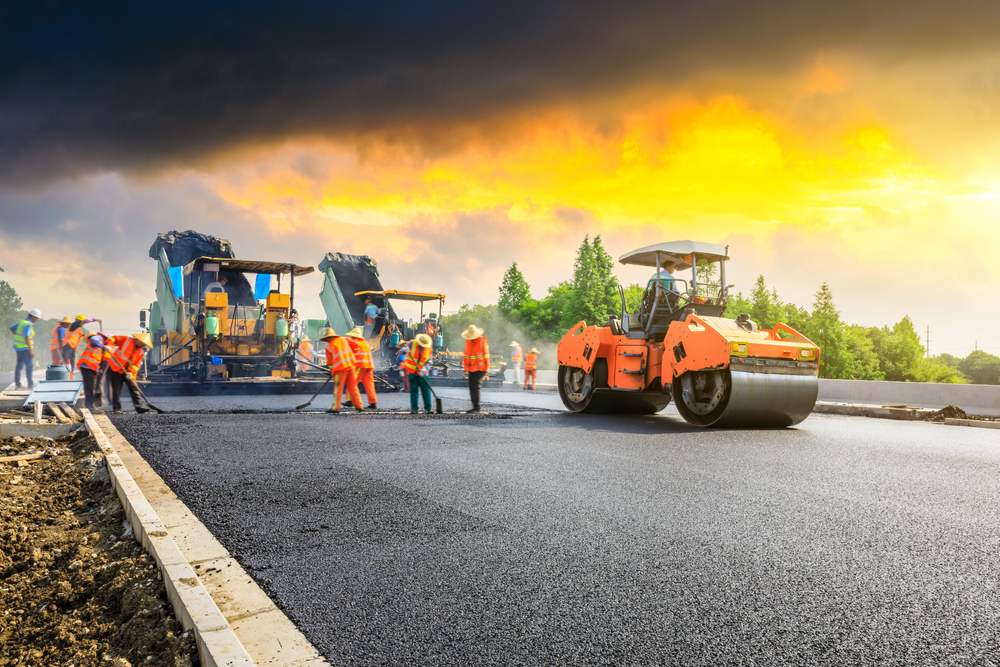
If you’ve driven I-70 west lately, you may have a hard time believing this. Between the orange barrels, the lane shifts, and the concrete barriers that seem to creep a little closer every time you blink, you’d be forgiven for thinking you’d wandered onto the set of Mad Max: Fury Road.
But according to the people who study these things for a living, Indiana has the best roads in the United States. Again.
For the second year in a row, the Consumer Affairs Research Team has put the Hoosier State at No. 1 in its national road-conditions rankings. Its 2026 numbers, as reported by Daily Passport, show just 4.8 percent of Indiana’s urban roads and 1.6 percent of its rural roads in poor condition.
Still, numbers are numbers. Consumer Affairs bases 80 percent of its score on road surface roughness, split evenly between urban and rural roads, and the other 20 percent on traffic fatalities per 100 million miles traveled. In other words, they measure how bumpy the ride is and whether you survive it. It’s a low bar, but we cleared it better than anybody.
Last year’s edition, which also put Indiana on top, said our urban roads were the second smoothest in the country and our rural roads the third smoothest, with a fatality rate of 0.99 per 100 million miles, seventh lowest in the nation. The report gave some credit to the $139 million in Community Crossings Matching Grants the state handed out to 223 communities in November 2024. Turns out when you send road money to the folks who actually have to fix the potholes, the potholes get fixed.
Rounding out the top five this year are Minnesota, Vermont, Georgia and Kansas. Vermont deserves an asterisk: according to Daily Passport, the Green Mountain State has more miles of dirt roads (8,534) than paved ones (7,226). It’s easier to keep your pavement in good shape when there isn’t much of it.
The bottom of the list is a cautionary tale. New Mexico ranked worst in the nation, with nearly half its urban roads (49.8 percent) in poor condition. The state hasn’t raised its fuel tax in more than 30 years, according to the report. So if you don’t pay for roads, you don’t get roads. Someone alert the Nobel committee.
For comparison, Indiana lawmakers raised the state gas tax by 10 cents a gallon in 2017 as part of a long-term road funding plan. It wasn’t popular at the time, and nobody writes thank-you notes over a gas tax. But here we are, two years running at the top of the list.
Mississippi finished second-worst for the second straight year, followed by Rhode Island, Hawaii and Oklahoma. Oklahoma’s state transportation department blames budget cuts, weather and heavier traffic for the state’s plunge from 34th to fifth-worst in a single year.
So go ahead, Hoosiers, take a victory lap. Just maybe don’t take it on I-70 west.