










by Abdul-Hakim Shabazz, Esq.
It’s baseball season, which means hope springs eternal—unless, of course, you’re a fan of the Chicago White Sox. As a long-suffering Sox fan with a soft spot for the Seattle Mariners, I’ve been keeping an eye on teams near and far. But while browsing the Seattle Times website the other day, I came across a story that had nothing to do with baseball—and may have something to do with solving Indiana’s housing crisis.
Indiana has a housing problem—a housing shortage problem. There’s no doubt about that. We’ve seen it time and time again: rising rents, limited inventory, and too many people chasing too few places to live. The question has always been the same: how do we fix it? How do we solve it? Well, there may be one idea worth exploring.
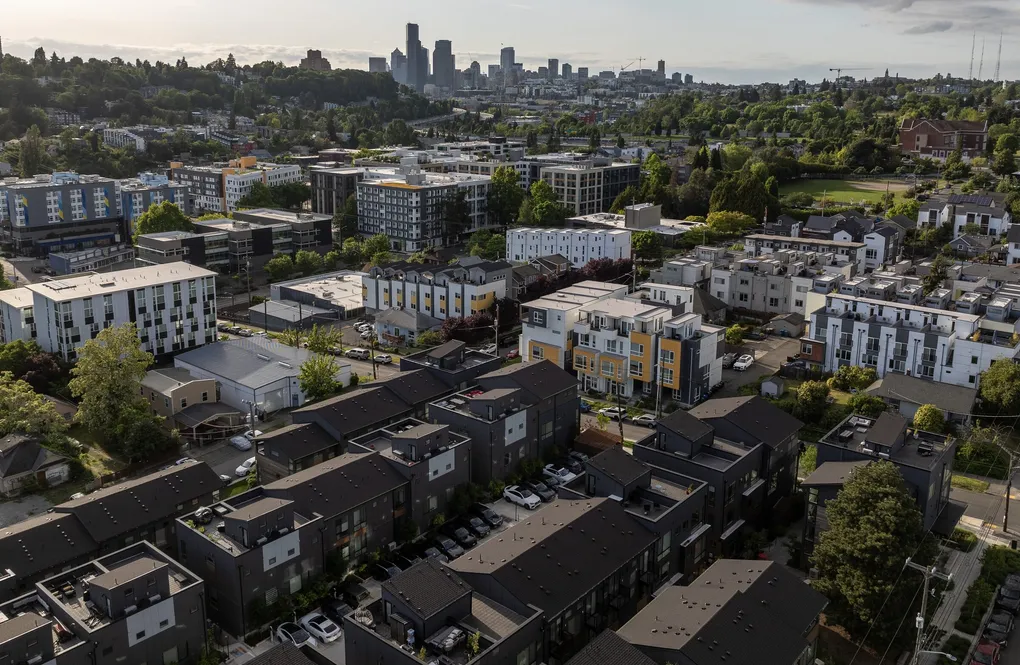
Out in Washington State, lawmakers are trying something different. They’ve passed a law allowing housing to be built in most commercial areas—places that, until now, were reserved for retail, offices, or other non-residential uses. In plain English, that means vacant strip malls, underused shopping centers, and empty big-box stores could be turned into apartments or mixed-use developments without having to jump through endless zoning hoops.
To be fair, Indiana has already dipped a toe in these waters. Lawmakers passed a housing bill this session aimed at cutting red tape and making it easier to build. But like most things at the Statehouse, it came with compromises, carve-outs, and opt-outs. Which raises the obvious question: are we serious about solving the problem—or just managing it?
Now, before anyone starts clutching their pearls or drafting news releases, this isn’t about saying Indiana should copy Washington wholesale. Different states have different needs, different markets, and different political realities. But it does raise a fair question: is there something here worth considering?
Because here’s the reality. Indiana doesn’t just have a housing shortage—it also has a mismatch. We have areas where housing is scarce and expensive, and we also have areas where commercial space is sitting empty or underutilized. Drive around parts of Indianapolis—or just about any mid-sized city in the state—and you’ll see it. Parking lots with more weeds than cars. Storefronts that haven’t seen a tenant in years. Former anchor stores that now serve as monuments to a retail economy that isn’t coming back.
At the same time, we hear from renters, young families, and even employers who can’t find enough housing options for their workforce. That last part matters more than we sometimes admit. Housing isn’t just a quality-of-life issue—it’s an economic development issue. If people can’t find a place to live, they can’t take the job. If they can’t take the job, businesses can’t grow. And if businesses can’t grow, communities fall behind.
And there’s also a fiscal reality here. Empty commercial space doesn’t generate much in the way of economic activity—or tax revenue. But if you put people in those same spaces, and suddenly you have residents paying property taxes, supporting local businesses, and contributing to the broader economy. In many cases, housing doesn’t replace economic development—it becomes it.
Which brings us to the part of this conversation we don’t talk about enough: scale.
Take something like Washington Square Mall on the east side of Indianapolis. Roughly 1.1 million square feet. On paper, that kind of space could translate into anywhere from 900 to 1,300 housing units, depending on layout and design. Even after accounting for hallways, infrastructure, and the realities of redevelopment, you’re still looking at hundreds of units—possibly close to 1,000.
Now, to be clear, this type of living isn’t for everyone. Some people want a yard, more green space, and a little distance from their neighbors—and that’s perfectly fine. Indiana isn’t going to, and shouldn’t, abandon that model. But the reality is not everyone wants—or can afford—that kind of housing either. The question isn’t about replacing one lifestyle with another. It’s about expanding the options so more people can find something that works for them. The joy of choice and free markets.
That’s not a silver bullet. Indiana’s housing shortage is measured in the tens of thousands. But it’s also not nothing. In fact, it’s the kind of number that starts to move the needle, especially when you consider that Washington Square isn’t the only property like it. Across the state, there are vacant big-box stores, aging strip centers, and underperforming retail corridors that already have roads, utilities, and infrastructure in place.
In other words, the land—and in many cases, the buildings—already exist.
Groups like Accelerate Indiana Municipalities have long emphasized the importance of local control, and rightly so. Every community is different, and what works in downtown Indianapolis may not make sense in rural Indiana. Any conversation about allowing housing in commercial areas would need to respect that reality and give local officials the flexibility to shape what works for their communities.
At the same time, organizations like the Indiana Association of Realtors see the supply crunch up close every day. They know better than anyone that you can’t sell—or rent—what doesn’t exist. Expanding the range of places where housing can be built could help ease some of that pressure, particularly in fast-growing areas where demand continues to outpace supply.
And then there are developers, who often find themselves navigating a maze of zoning rules, approvals, and restrictions that can turn even straightforward projects into multi-year sagas. Giving them more flexibility—especially in areas already served by roads, utilities, and infrastructure—might unlock opportunities that are currently sitting on the sidelines.
None of this is to say there aren’t legitimate concerns. Traffic, infrastructure, neighborhood character—these are all real issues that deserve thoughtful consideration. But those are the kinds of challenges local leaders deal with every day. The question isn’t whether there are complications. The question is whether the potential benefits make it worth exploring solutions.
Because at the end of the day, this isn’t about left versus right, or urban versus rural. It’s about whether Indiana is willing to take a fresh look at an old problem—and fully recognize that housing policy is also economic policy.
We’ve gotten very good at debating where housing shouldn’t go. It might be time to spend a little more energy figuring out where it can.
If we already have the land, the infrastructure, and the need, then the question isn’t whether Indiana can do something like this. It’s whether we’re willing to take a look—and maybe, just maybe, try something new.
Because in the end, building more housing isn’t just about where people live—it’s about whether Indiana grows.
Perhaps it’s time to take a little advice from Horace Greeley—and go west.
Abdul-Hakim Shabazz is the editor and publisher of Indy Politics. He is also an attorney licensed in Indiana and Illinois.