










by Leslie Bonilla Muñiz, Indiana Capital Chronicle
July 9, 2026
The total price tag for Gov. Mike Braun’s gas tax holiday is in: the state of Indiana and hundreds of local governments are expected to lose out on a combined $533 million, with the impacts felt through October.
That also means motorists saved that much money at the pump.
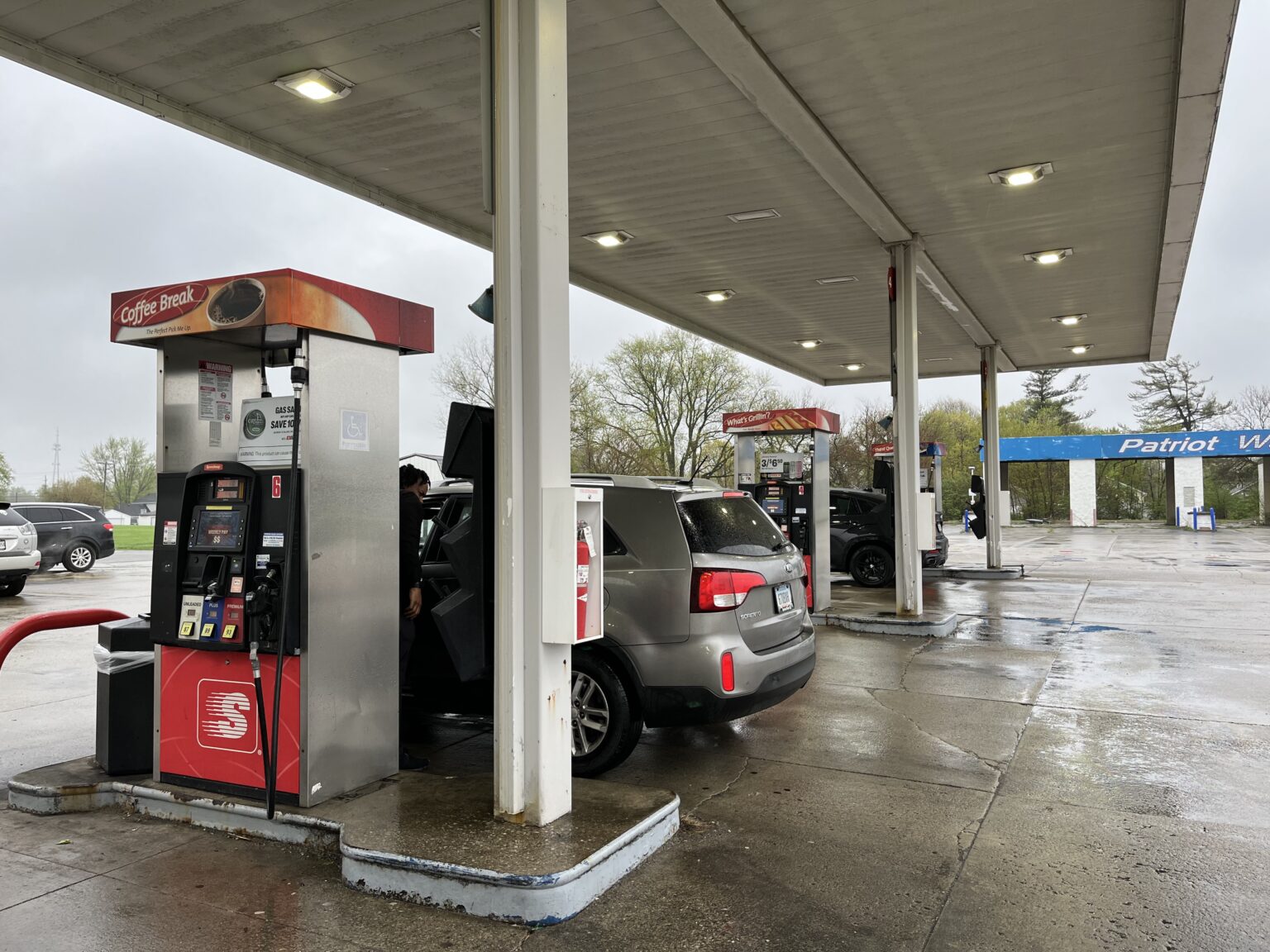
Braun paused collections of the 7% sales tax on gas starting in April — after war with Iran prompted high fuel prices — and waived the 36-cents-per-gallon gas excise tax beginning in May.
Governor directs state to reimburse local governments for gas tax holiday revenue
Drivers will keep about 61 cents on every gallon of gas this month. The tax breaks end August 6.
But in Indiana, gas taxes pay for road work.
Braun’s administration has pledged to reimburse local governments, which are projected to lose $175 million, out of the State Highway Fund.
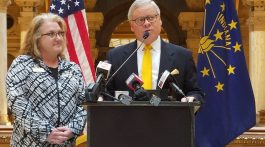
“It’s not going to cost us anything in the sense that we’ve got reserves that are there for that intended purpose,” he told reporters last week, emphasizing the state’s healthy economy.
It’s unclear if the administration will tap the state surplus to repay the Indiana Department of Transportation for covering that payment to local governments — or to reimburse the agency for its own anticipated $358 million loss. INDOT pointed the Capital Chronicle to the State Budget Agency, which did not respond to a request for comment by publishing deadline.
Leaders are also teeing up road-funding talks in the upcoming budget-writing legislative session.
Effects to linger, but reimbursements coming
Collection of gas tax revenue — which is directly paid by fuel distributors — lags about a month from when gas is sold at the pump. State officials then split the money between INDOT and local governments for road spending.
But that money hasn’t been coming in.
The financial effects are expected to ratchet up through the summer, hitting hardest in August, and lessening through October, according to projections from INDOT. The numbers are organized by “month the impact is felt” rather than month of collection, per spokeswoman Natalie Garrett.
The state agency predicts it’ll feel hits of nearly $21 million in May, $43 million in June, $99 million in July and $108 million in August. That will fall to $74 million in September and $14 million in October.
Local governments will collectively lose less, with anticipated impacts of $7 million felt in May, $15 million in June, $48 million in July and $54 million in August. The amount will decrease to $43 million in September and $8 million in October, according to INDOT.
The state plans to make local governments whole by November 1.
State Budget Director Chad Ranney will bring the first formal request to transfer funds from the State Highway Fund for April and May to the Board of Finance on July 21. Once approved, locals are expected to receive distributions from the Comptroller’s Office within five to seven business days.
Similar requests will be made at the August and September Board of Finance meetings, as needed.
What’s next
Braun said last week’s gas tax holiday extensions were the last he could do without legislative action.
Gas in Indiana cost an average of $3.06 per gallon statewide Wednesday, according to AAA — far below the national average of $3.80 per gallon and still the lowest in the country.
The governor said he hadn’t discussed the possibility of a special session with legislative leaders but didn’t rule it out.
“The Speaker supports the Governor’s extension of the gas tax suspension,” said Molly Gillaspie, a spokeswoman for House Speaker Todd Huston. “He is continuing to monitor to help ensure affordability for Hoosiers at the gas pump.”
Braun also called for a look at long-term road-funding solutions next session. It starts in January.
“When steel and concrete basically went up 50%, that means you’re getting a whole lot less now due to the inflation that’s still impacting it,” he said. “So yeah, there needs to be a discussion among Hoosiers, among legislators, what we do … to address that if we want to keep everything in good shape.”
Lawmakers’ last major transformation of the system came a decade ago.
“Sen. Bray wants to make sure local communities continue to receive the road funding they need to maintain their local infrastructure, and he’s working toward that end,” said Molly Swigart, a spokeswoman for Senate President Pro Tempore Rod Bray. “Road funding is always an important topic in a budget session, and he fully expects that to be the case in 2027 as well.”
Huston said he expects the Legislature to “consider existing resources to ensure we have the road funding necessary to support our infrastructure which Hoosiers and businesses rely on every day.”