







by Abdul-Hakim Shabazz, Esq.
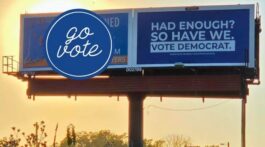
The City-County Council overrode Mayor Joe Hogsett’s veto of the wheel tax increase Monday night, 17-7, and within about ninety seconds the internet had settled on its remedy: vote them out.
Terrific. Let’s look at the dates.
The next municipal general election is November 2, 2027. That is fifteen months from now, which is roughly the shelf life of a New Year’s resolution. The primary is May 4, 2027, nine months out. But neither of those is the date that matters.
The date that matters is noon on Friday, February 5, 2027. That is the deadline to file a declaration of candidacy for the primary. Filing opens January 6. Which means the vote-them-out crowd doesn’t have fifteen months to stay angry. It has about twenty-five weeks to find human beings willing to put their names on a form at the Marion County Election Board, raise money, knock doors, and lose their weekends for a job that pays less than the average assistant manager at a Kroger.
That’s the part nobody says out loud. You cannot vote out an incumbent who is running unopposed. And in most of these districts, the Democratic primary is the election, which means the people angriest about a vehicle registration bill would have to pull a Democratic ballot in a low-turnout May municipal primary to lay a glove on anyone.
Now here’s where the calendar turns genuinely unkind.
The tax doesn’t hit until registrations on and after January 1, 2027. Indiana renewals are staggered across the year by plate schedule. So on February 5, when the filing window slams shut, maybe a month’s worth of Marion County drivers will have actually paid the thing. By the May primary, a fraction. By the November general, everybody.
Read that again. The anger peaks after the ballot is set. The ballot gets locked in while most people still haven’t opened the bill.
There’s a small irony worth noting here. Under the old law, a wheel tax ordinance had to be adopted before July 1 to hit the following year’s registrations. The General Assembly moved that line to September 1 this session in Senate Enrolled Act 179. Without that change, the July 6 passage might have squeaked in, but the August 10 override would have been three weeks past the deadline and the whole exercise would have been pushed a full year. The legislature handed the council enough runway to lose a veto fight and still make the calendar. Nobody planned that. It happened anyway.
And then there is the money, which is the real answer to “vote them out.”
Fifty million from the state, matched by fifty million locally, spent on roads in 2027. Whatever you think of how the match got assembled — and I have thoughts — the practical effect is that an election-year council majority gets to spend an election year putting orange barrels on your street. Incumbents do not fear a tax they can point at. They fear a tax with nothing to show for it. Paving is the single most legible thing local government does.
Add the ordinary advantages. Incumbents have committees, donor lists, and a reason to call people. Ad hoc outrage has a Facebook group and a guy who says he might run.
Though a word of caution on that point, since it’s the one I’d most like to be wrong about. In 2007 Peterson outraised Ballard by something like thirty to one and still lost. Money buys you a lot in municipal politics. It does not buy you a summer.
The seven no votes have the cleanest message in town and the smallest realistic path to doing anything with it. And somewhere in the middle sit the three votes that moved into the yes column between July 6, when this passed 14-10, and August 10, when it survived. Those members had a month to think about it and decided the vote was survivable. They may be right.
The counterexample everybody reaches for is 2007, when a tax revolt ran Bart Peterson out of the twenty-fifth floor. And it wasn’t just property taxes. Late that July, with homeowners opening reassessment bills and protesters lining Meridian Street, the council passed and Peterson backed a 0.65-point increase in the county option income tax — a 65 percent jump. The Star scorched them for rushing it. The blogosphere went nuts. Ballard won in November, 50 to 47, and the council flipped with him.
So it can be done. Look at the fuse. Peterson’s council voted in late July of an election year. Fifteen weeks. This council voted in August of the year before, and the bill doesn’t arrive until the year after that.
Notice the sales pitch, while we’re here. The 2007 increase was sold as a public safety tax. This one is sold as a roads tax. Both are the thing voters say they want most, which is precisely why councils reach for them — and precisely why it inoculates nobody. No one in the history of Marion County has been talked out of resenting a bill by being told what it bought.
Which brings me to the only reliable rule I’ve picked up in thirty years of doing this: stick around this town long enough and you will see everything two or three times. The reassessment revolt. The veto fight. The promise of retribution at the ballot box. The quiet return of nearly everybody to their same seats. I have seen this movie. I have seen the sequel. What I have not yet seen is a remake where the ending changes because people were mad on the internet in August.
Fifteen weeks is a revolt. Fifteen months is a grudge.
Abdul-Hakim Shabazz is the editor and publisher of IndyPolitics.org and an attorney licensed in Indiana and Illinois. He finished second in the 2023 Republican primary for Indianapolis mayor, so he has some experience with municipal election math.