








by Abdul-Hakim Shabazz, Esq.
The Public Safety and Criminal Justice Committee met September 9 to talk about IMPD’s $400 million budget for 2027. What it actually talked about was cameras. Then it made a few.
Chief Tanya Terry got about two sentences into her remarks on the July shooting death of 21-year-old Dalys Jett before the room came apart. Chairman Leroy Robinson told deputies to start clearing people out. One of them, Jamaal Shabazz — no relation to me — ended up on the floor in handcuffs and later collected a summons for misdemeanor resisting and interfering with public safety. All of it was captured: by the city’s meeting feed, by the press, and by three dozen phones. The video was circulating before the committee got around to the fire department.
That is modern public safety in one room. Cameras everywhere, and nobody trusts a thing.
Start with Flock. IMPD has something like 300 license plate readers under a $6 million contract, and they work fast. A plate goes by, the system knows. Councilor Jesse Brown has spent the better part of a year trying to pry loose the contract and the search rules, which tells you how tightly the department holds paper it isn’t required to produce. In August, an officer was recommended for termination for misusing the system. Indiana has no statute setting how long ALPR data is kept or who gets it. Every guardrail is departmental policy, and policy can be rewritten on a Tuesday by people who don’t have to tell you they did.
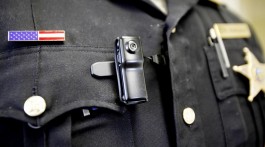
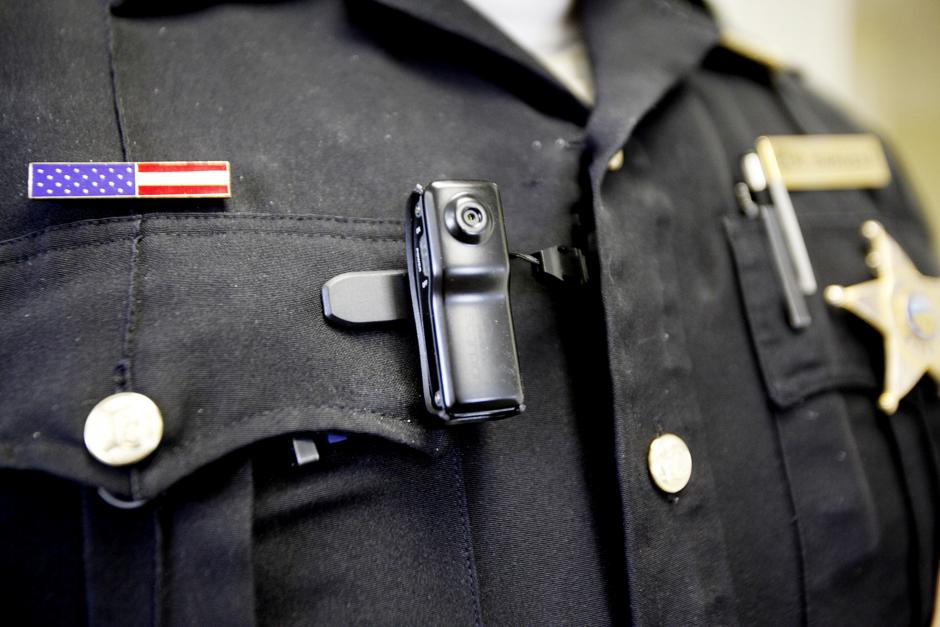
Now the body cameras — the ones taxpayers bought so there would be an answer when something like the Jett shooting happens. The chief says IMPD offered the family the unedited footage. The family says that isn’t what happened. IMPD also said initially that Jett shot two officers, then corrected itself to say he shot one and the other was hit by friendly fire. That correction may be exactly what an honest investigation looks like. It is also indistinguishable, from the cheap seats, from a story that changed.
Here’s the part that ought to bother everyone. The plate reader gives you an answer in seconds. The body camera gives you an answer in months. Same city, same department, same budget.
There’s a fair response, and it deserves saying out loud: the Jett shooting is an open criminal investigation, and prosecutors don’t like evidence going public while they’re still weighing charges. Fine. But that explains a delay. It doesn’t explain why the department can’t state its release standard plainly, or why the rules governing the instant cameras took a councilor a year to surface. Institutions that are fast when it suits them and slow when it doesn’t shouldn’t act surprised when people quit extending the benefit of the doubt.
And be honest about the other direction. In May, a teenager had felony charges dropped because body camera footage contradicted the officer who arrested him. Same technology, opposite result. Video has cleared cops and convicted them, exonerated defendants and buried them. The machine doesn’t have a side. The only question that’s ever mattered is who controls the playback and how long they get to sit on it.
Which brings us back to the man in handcuffs. Whatever a court decides about that arrest, it gets decided on video. There was no version of that night where it wouldn’t be. That’s the world now. Everybody records everybody. The fight isn’t about surveillance anymore — it’s about asymmetry, the government’s insistence on instant access to your movements and deliberate speed with its own.
Stick around this town long enough and you see everything two or three times. Just never on the same timeline.
Abdul-Hakim Shabazz is the editor and publisher of IndyPolitics.org and an attorney licensed in Indiana and Illinois.