


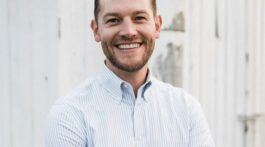


INDIANAPOLIS — With Election Day a little more than a month away, pollster Andrew Weiser says voters should treat polls as snapshots of public opinion—not predictions of election results—and look closely at how the numbers were collected and reported.
In an interview with Indy Politics, Weiser, of AWS Strategies, described polling as part statistics and part judgment. While statistical methods help pollsters draw conclusions from a sample, he said, they must also estimate who is likely to vote. That estimate can shape the results, especially in an election without a high-profile presidential or gubernatorial race.
“A poll is a snapshot in time,” Weiser said. “It is not a predictor of future behavior.” A candidate trailing in one poll could gain or lose support as the campaign unfolds, he said, because of changes in messaging, the political environment or turnout.
Weiser distinguished polls of registered voters from polls of likely voters. Registered-voter surveys can help measure public opinion broadly, he said, but many registered voters will not cast ballots. In an off-year election, the electorate may differ from the broader pool of registered voters in age, geography and other characteristics.
For campaign planning, he said, likely-voter polls are more useful because they seek to reflect who is expected to participate. Weiser advised voters to check which group a poll surveyed, adding that he would discount a registered-voter poll in a midterm or other non-presidential election.
Indiana’s statewide races may present a particular challenge, Weiser said, because the ballot lacks a presidential, gubernatorial or U.S. Senate contest. The host noted that the state’s secretary of state race has drawn attention, but said there had been little public polling. Weiser said lower-profile down-ballot races may produce more undecided responses, as voters may know less about the candidates or the duties of constitutional offices.
He also said lower-profile contests generally draw less spending and attention than major statewide or federal races. Advertising, mail, phone calls and door-to-door outreach can raise voters’ awareness of an election, he said, while less attention may contribute to lower turnout.
Asked how voters can judge whether a poll is credible, Weiser pointed to transparency and a pollster’s record. He recommended looking for details about the sample’s demographic makeup, including age, gender, race, location and education, as well as information about how the results were weighted. Cross-tabulations can also help readers understand how different groups responded.
A poll that provides only topline results, without explaining its methodology, gives the public less information to assess its reliability, he said. Readers can also review a pollster’s past performance, while recognizing that any single poll may differ from the eventual result.
Weiser cautioned against treating a poll’s miss as proof it was inaccurate when conducted. Public opinion can shift in the weeks before an election, and a pollster’s work should be assessed in light of when the survey was taken and whom it represented.
He also discussed challenges in reaching a representative sample as fewer people answer unfamiliar phone calls. Pollsters now often combine live telephone interviews with text-message invitations to online surveys, he said. But response patterns can still skew a sample if some groups are more willing than others to participate.
For voters assessing national and state-level numbers, Weiser said state polls are more useful for understanding individual races. National polling can provide context, but he urged readers to check who conducted a survey and whether it was an independent public poll or an internal poll released by a campaign.
Ultimately, he advised voters to look past a poll’s headline number. “You want to see how they’ve weighted that poll,” he said, and whether the survey measured likely voters.