







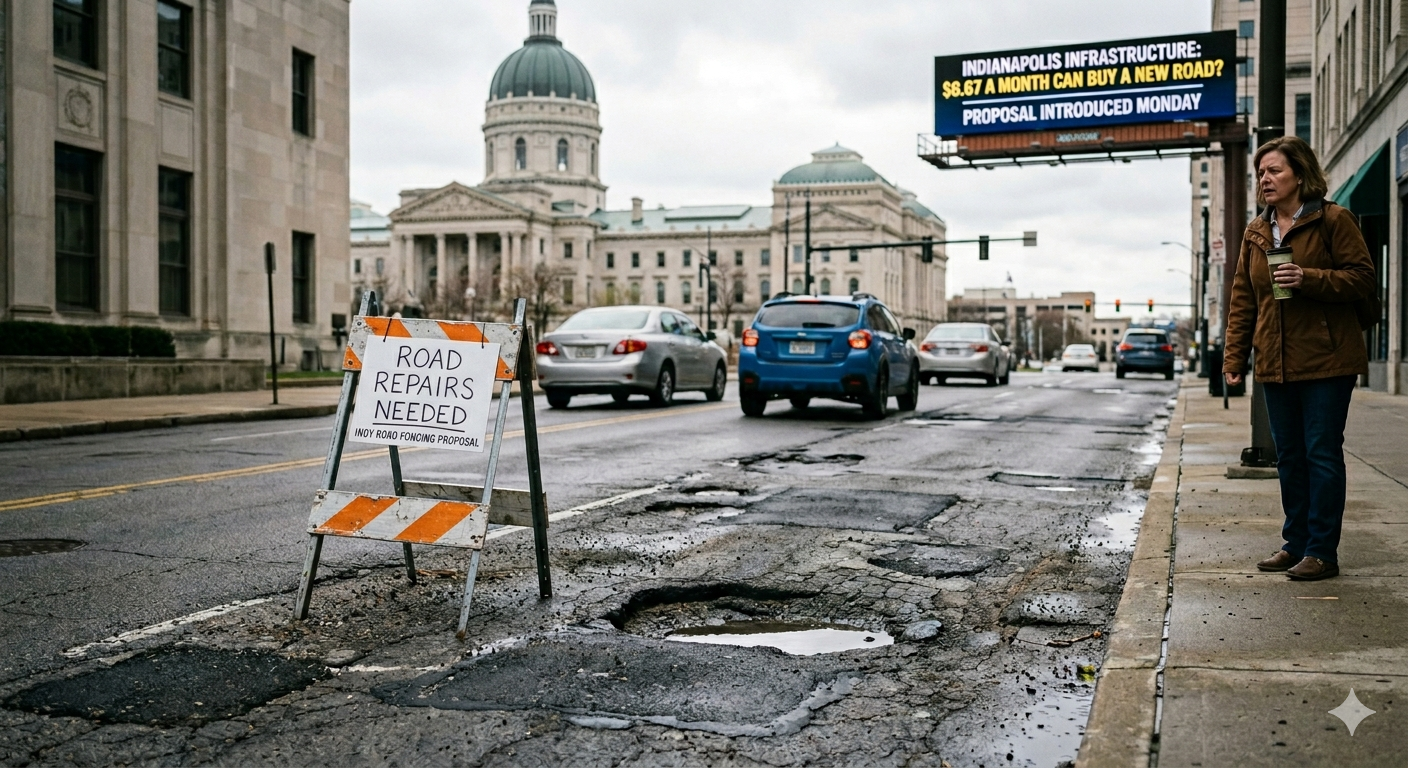
About $6.67 a month can buy you a fast-food combo meal, a couple cups of coffee, part of a streaming subscription you forgot you still had, or maybe two gallons of gas depending on the day.
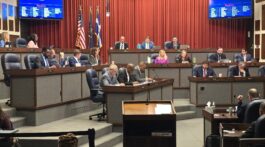
Under a proposal being introduced Monday by the Indianapolis City-County Council, city leaders hope it can also buy Indianapolis something residents have demanded for years: better roads.
The council will unveil a long-term infrastructure funding proposal designed to secure up to $50 million annually in additional state road funding while significantly increasing local investment in streets, alleys, and transportation infrastructure.
The proposal stems from HEA 1461, passed by the Indiana General Assembly in 2025, which created a pathway for Indianapolis to receive additional state transportation funding if the city provides a required local financial match.
Under changes approved by lawmakers in 2026, the local match requirement begins at $50 million in 2027 and eventually increases to $100 million annually beginning in 2031.
The funding, however, is not automatic.
City officials say Indianapolis must certify annually that it can meet the required local match. If the city fails to do so, the state funding transfer cannot occur that year or in future years.
To meet those requirements, council leaders are proposing changes to Marion County’s vehicle excise surtax and wheel tax structure.
Passenger vehicles, motorcycles, and trucks under 11,000 pounds would move to a flat $100 annual registration-related fee. Heavy vehicles currently subject to the county wheel tax would move to a flat $240 annual fee.
Based on current estimates, the average passenger vehicle owner would likely see an increase of roughly $80 annually, or about $6.67 per month.
Council leaders say the proposal would generate approximately $70.95 million in new transportation revenue in 2027 and approximately $355.75 million over five years. Combined with state matching funds and other projected transportation revenue, the plan is expected to support approximately $855.75 million in infrastructure investment between 2027 and 2031.
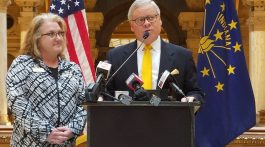
Council President Maggie Lewis described the proposal as an effort to move Indianapolis toward long-term infrastructure planning rather than relying on inconsistent funding and reactive repairs.
Officials say the funding would help fully support the city’s transportation capital plan without relying heavily on additional debt or recurring emergency appropriations. Planned investments include approximately $30.7 million for residential streets in 2027 and roughly $3 million for alley improvements.
Council leaders also point to broader fiscal pressures facing local governments.
Recent changes under SEA 1 are expected to slow future property tax revenue growth, increasing pressure on cities to identify alternative funding sources for infrastructure and basic services. At the same time, Indianapolis continues to face challenges tied to the size and complexity of its road network.
Historically, state transportation funding formulas relied heavily on centerline mileage, which critics argued failed to adequately account for urban lane miles and traffic volume.
Council leaders acknowledged the timing of the proposal may prove politically difficult, particularly with municipal elections approaching next year. However, they say statutory deadlines require action this year if the city wants the funding structure in place for 2027.
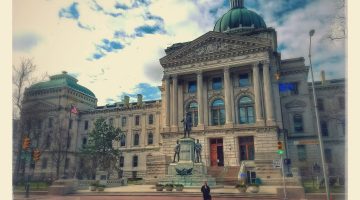
The proposal will move through multiple committee hearings in June, including public comment opportunities and two planned public town hall meetings outside the City-County Building before a final council vote expected July 6.
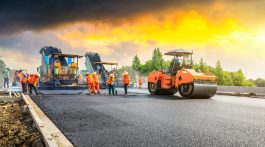
For years, Indianapolis residents have complained about potholes, crumbling residential streets, and deteriorating alleys.
City leaders are now making a straightforward argument to taxpayers:
What can $6.67 a month buy you?
Maybe a new road.