






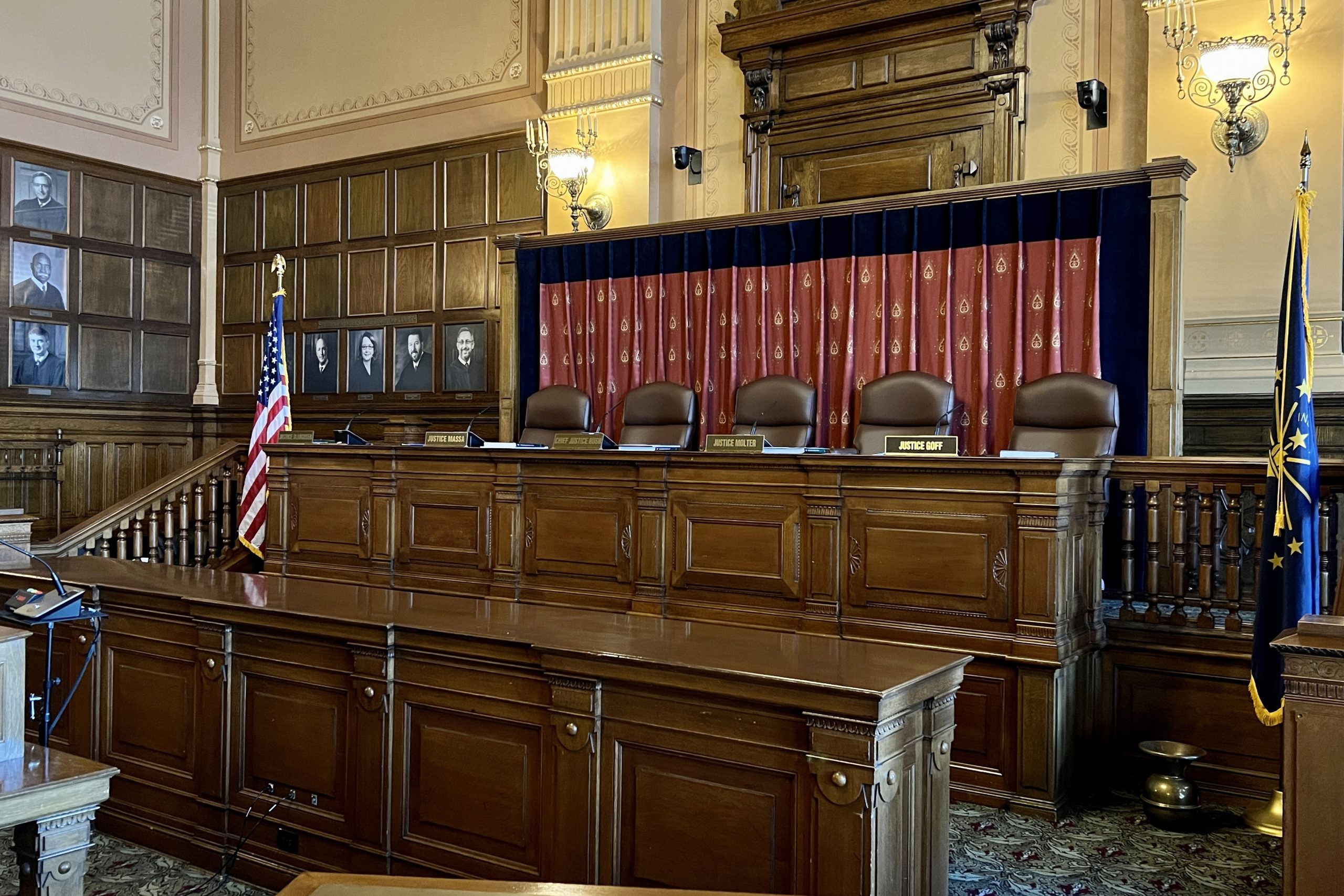
The Indiana Supreme Court will hear arguments September 17 on a question with a dry name and a wide reach: whether an organization can sue on behalf of the people who belong to it.
The answer will affect far more than the case that raised it. Consumer groups, trade associations, business lobbies and professional organizations all rely on being able to go to court for their members rather than asking an individual member to file suit and put his or her name on the case.
The dispute began with your electric bill. Citizens Action Coalition and Vote Solar, two groups that regularly fight utility rate increases, challenged an order the Indiana Utility Regulatory Commission issued in a Duke Energy Indiana case. They say the Commission misread a state clean-energy law and that Duke customers are paying more as a result.
Duke has asked the Court to throw the challenge out without ever reaching that argument. Its position: the two organizations don’t have electric bills, so they haven’t been harmed, and only someone who has been harmed can sue. The Commission, represented in part by Attorney General Todd Rokita’s office, made the same request in a separate filing.
Courts call this “standing” — the requirement that a person bringing a lawsuit actually have something at stake. For twenty years, the Indiana Court of Appeals has said a group clears that bar if it can point to at least one member who was hurt and could have sued alone, if the lawsuit fits what the group does, and if that member doesn’t need to personally take part in the case. The Indiana Supreme Court has never squarely said whether that rule is correct.
Chief Justice Loretta Rush asked outside parties to weigh in. Several did, in briefs known as friend-of-the-court filings.
The Indiana Energy Association, the utility industry’s trade group, sided with Duke, and the Indiana Legal Foundation signed on with it. Fourteen other business and trade organizations — among them the Indiana Association of Realtors, the Indiana Builders Association, the National Federation of Independent Business and the National Retail Federation — filed a brief that formally takes neither side. The Indiana Farm Bureau, the Indiana Pork Producers Association and the Indiana State Poultry Association asked Thursday to join it.
The Indiana Trial Lawyers Association filed Wednesday. Four attorneys filed on their own Friday: Evansville lawyer and historian Joshua Claybourn, Jon Laramore, former Marion County Clerk Doris Anne Sadler, and G. Michael Witte, who ran the state Supreme Court’s attorney discipline office for eleven years. Their argument is that Indiana courts have let one party sue on another’s behalf since statehood.
Duke is also trying to strike sworn statements from Citizens Action Coalition members describing what they pay — the evidence meant to show someone was actually harmed. The Court allowed those statements in June. Duke objected July 2.
The state’s official ratepayer advocate, the Office of Utility Consumer Counselor, is on the same side as the two groups.
Final written arguments are due August 21.