




by Abdul-Hakim Shabazz, Esq.
As if the Indiana GOP didn’t have enough problems heading into their convention in 12 days.
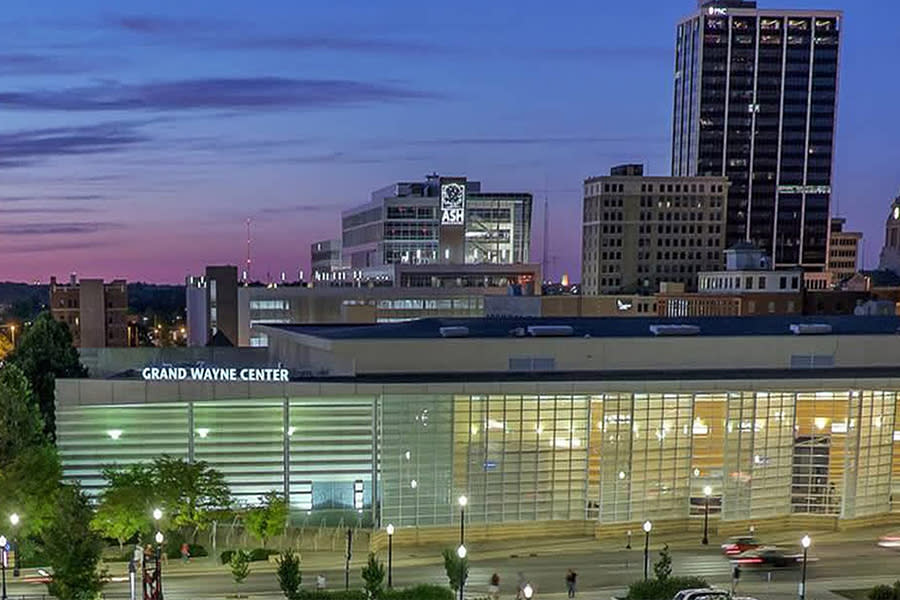
While Diego Morales fights to keep his job, Jim Banks and Todd Rokita try to talk delegates into Max Engling, and David Shelton and Jamie Reitenour work the phones for whatever’s left, there’s a lawsuit quietly making its way to the Indiana Supreme Court that asks a question nobody in Fort Wayne is going to enjoy answering: when delegates are on the floor, who’s actually in charge — them, or the people holding the gavel?
Meet Bortka v. Simcox.
Joseph Bortka — a 2024 convention delegate, Marion County precinct committeeman, and the party’s 2024 candidate in House District 100 — sued the Indiana Republican State Committee along with former Secretary of State Ed Simcox and former Sen. Randy Head, who chaired the 2022 and 2024 conventions. His theory is the kind of thing that makes party lawyers reach for the Tylenol: treat the delegates like shareholders and the State Committee like a board of directors that owes them a fiduciary duty. The complaint says leadership gaveled down properly raised floor motions, stripped rule language protecting delegate rights, ditched Robert’s Rules of Order, and left grassroots members no real recourse — internal complaints, he says, got dismissed by the very people they were complaining about. He wants a judge to declare the biennial convention the party’s highest authority, bar chairs from arbitrarily blocking delegate action, and hand over the party’s historical minutes and membership lists. No money damages. Just rules.
Bortka rolled this out last July with a flourish — timed to the anniversary of the Northwest Ordinance and the party’s 171st birthday — plus a GiveSendGo page called “GOP Restoration.” He also rolled it out with a list of supporters drawn straight from the party’s grassroots and liberty wing: the Indiana Republican Assembly, the Hoosier Freedom Caucus, In Libertas, and Tea Party groups from Lafayette to southern Indiana.
And right at the top of that list: Lt. Gov. Micah Beckwith.
Except Beckwith’s office wasn’t having it. Two days after the release, it put out a statement saying he was not a party to the suit and had not authorized being listed as a supporter. He didn’t disown the cause, mind you — he’s spent years complaining that the previous leadership ran roughshod over Robert’s Rules at conventions and that delegate authority needed restoring. But the operative word is previous. Beckwith aimed his fire at the old regime, pronounced himself optimistic about the new leadership, and stepped back from the litigation itself. File it under supportive of the sentiment, not the suit.
So far, the courts side with leadership, not Bortka. Marion Superior Court tossed the case in December, holding that judges don’t referee a private party’s internal political squabbles unless civil or property rights are on the line. On April 30, the Court of Appeals affirmed in a memorandum decision — meaning it carries no precedential weight and won’t be turning up in anyone’s brief. Bortka has petitioned to transfer to the Supreme Court, and the case now sits in a peculiar procedural spot: the appeals court certified its opinion on May 22, then had to send a June 3 letter admitting it did so prematurely, because the clock to ask the high court for review hadn’t run out yet.
Here’s why any of this matters with delegates about to gather. The legal fight over who controls the floor is the same fight that’s about to play out in person — and the grassroots flank behind Bortka’s suit is the very flank Banks and Rokita are now trying to herd toward Engling. Good luck with that. As Lake County GOP Chair Randy Niemeyer put it, delegates don’t much care to be told what to do — which is exactly how Beckwith muscled past Mike Braun’s preferred running mate in 2024, and how Morales himself knocked off an incumbent in 2022.
The Supreme Court can take its time deciding whether a court can police a convention. The delegates won’t wait. On June 20, they’ll answer the question the only way it’s ever really been answered in this party — from the floor.
Abdul-Hakim Shabazz is the editor and publisher of Indy Politics. He is also an attorney licensed in Indiana and Illinois.